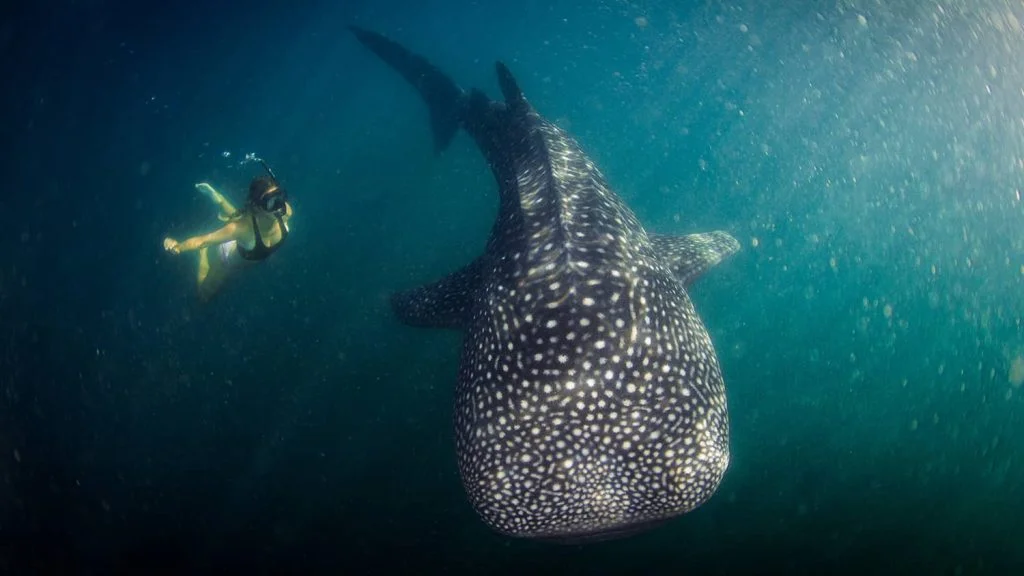
I still remember the moment I saw a whale shark up close. We had just left the shoreline of Sumbawa before sunrise, heading toward Saleh Bay. The sea was calm, the sky slowly turning golden, and suddenly—there it was. A gentle giant gliding beneath the surface.
No rush, no fear. Just quiet awe.
That encounter changed something in me. And now, whenever I hear people talk about whale shark tours or dream of swimming with whale sharks, I can’t help but think of how much we owe these creatures—not just for the experience, but for the responsibility we carry to protect them.
So here’s the big question: how can we make sure the ocean stays a safe place for whale sharks, especially in beautiful, untouched areas like Saleh Bay in Sumbawa?
Let’s explore what that really means, not just as tourists, but as ocean lovers.
Whale Sharks: The Gentle Giants of the Ocean
Before we get into how to protect them, let’s talk a bit about what makes whale sharks so fascinating. These spotted, slow-moving filter feeders can grow up to 12 meters long—and yet, they’re completely harmless to humans.
They move gracefully, almost like underwater clouds, sifting plankton and tiny fish through their wide mouths. Despite their size and presence, they’re peaceful, curious, and surprisingly shy.
In Indonesia, places like Saleh Bay have become quiet sanctuaries for them. It’s one of the few regions where people can observe whale sharks regularly, especially with local fishing communities who’ve shared the waters with them for generations.
The Problem: Not All Encounters Are Created Equal
Here’s the thing. As more people discover these magical encounters, the pressure on the ecosystem builds. Whale sharks are migratory, meaning they roam vast distances across oceans. But they tend to return to areas that feel safe—places where the food is abundant and humans aren’t a threat.
Unfortunately, in some parts of the world, human interaction has gone too far. Tour boats crowd around the animals, people touch or even ride them, and loud engines pollute their environment. Over time, these seemingly small actions push whale sharks away from their natural behaviors and disrupt their delicate routines.
That’s why eco-friendly practices matter more than ever, especially in rising destinations like Sumbawa where marine tourism is still growing.
Respect Starts Before You Get in the Water
The most important part of a safe whale shark experience happens before you jump in the sea. It starts with education, with choosing the right tour operator, and with understanding that your actions, even as one traveler, can make a difference.
When I joined a local trip near Saleh Bay, the guide gave a full briefing. No flash photography. No touching. Keep a respectful distance. Enter the water slowly. No chasing.
It felt more like visiting someone’s sacred home than going on an adventure—and that shift in mindset makes all the difference.
Supporting Community-Based Whale Shark Tourism
What many travelers don’t know is that some of the best whale shark experiences in Indonesia are run by small coastal communities. In Saleh Bay, for instance, local fishermen are part of a growing effort to protect the sharks and share their knowledge with visitors.
By working with tour groups that collaborate with local stakeholders, you’re not just ensuring a safer encounter—you’re helping preserve the long-term health of the marine ecosystem.
These community-based models often involve fewer boats, smaller groups, and deeper awareness of the animal’s presence and mood. You can feel the respect in the water. And trust me, the whale sharks feel it too.
Guidelines That Actually Matter
Here are some key rules and reminders to keep in mind if you’re ever lucky enough to swim with these giants:
- No touching – even a gentle brush can damage their sensitive skin.
- Keep a safe distance – at least 3 meters from the head and 4 meters from the tail.
- Use eco-friendly sunscreen – regular sunblock contains chemicals that harm marine life.
- Swim calmly – no loud splashing, kicking, or sudden moves.
- Don’t block their path – always let them move freely.
These may sound simple, but they’re essential. I once watched someone try to chase a whale shark for a better photo. The shark dove down and didn’t return. That moment stayed with me as a reminder that our presence should never make wildlife feel unsafe.
Real Conservation Begins with Real Experiences
What I love about whale shark swimming in Sumbawa is how natural it still feels. Unlike overly commercialized spots, Saleh Bay offers a chance to witness the animals in their actual routine. There’s no baiting, no feeding, no artificial setup—just a window into their world, on their terms.
If you’re planning to visit, consider this:
whale shark swimming Sumbawa packages offer an immersive way to experience the ocean while supporting local guides who truly care. These aren’t mass-market tours—they’re invitations to connect, to learn, and to protect.
What Happens When We Do Things Right
You can tell when a place has earned the trust of its marine life. In Saleh Bay, some whale sharks are known to return regularly, year after year. That only happens when the environment stays stable, the food supply stays clean, and the human activity stays respectful.
And honestly? It’s more rewarding to witness them on their terms—gliding freely, undisturbed, and relaxed in their own element—than to ever force a moment just for a selfie.
Every respectful interaction helps build a better future for the species. Every quiet encounter reinforces their trust in us. And every conscious choice we make—like refusing to support irresponsible tours or spreading awareness—has a ripple effect.
The Ocean is a Shared Space
This isn’t just about whale sharks. It’s about how we treat the ocean as a whole. When we learn to respect the giants of the sea, we start respecting the smaller things too—the coral, the reef fish, the turtles, the mangroves.
The ocean has given us so much: beauty, wonder, inspiration, and joy. So maybe the best way we can give back is by learning to leave it better than we found it.
Whether you’re a diver, snorkeler, or just someone who dreams of meeting a whale shark one day, remember: your presence matters. Your choices matter. And your voice can help others care too.
Because the truth is—keeping the ocean a safe place for whale sharks isn’t a task for scientists or conservationists alone. It’s for all of us who’ve ever fallen in love with the sea.